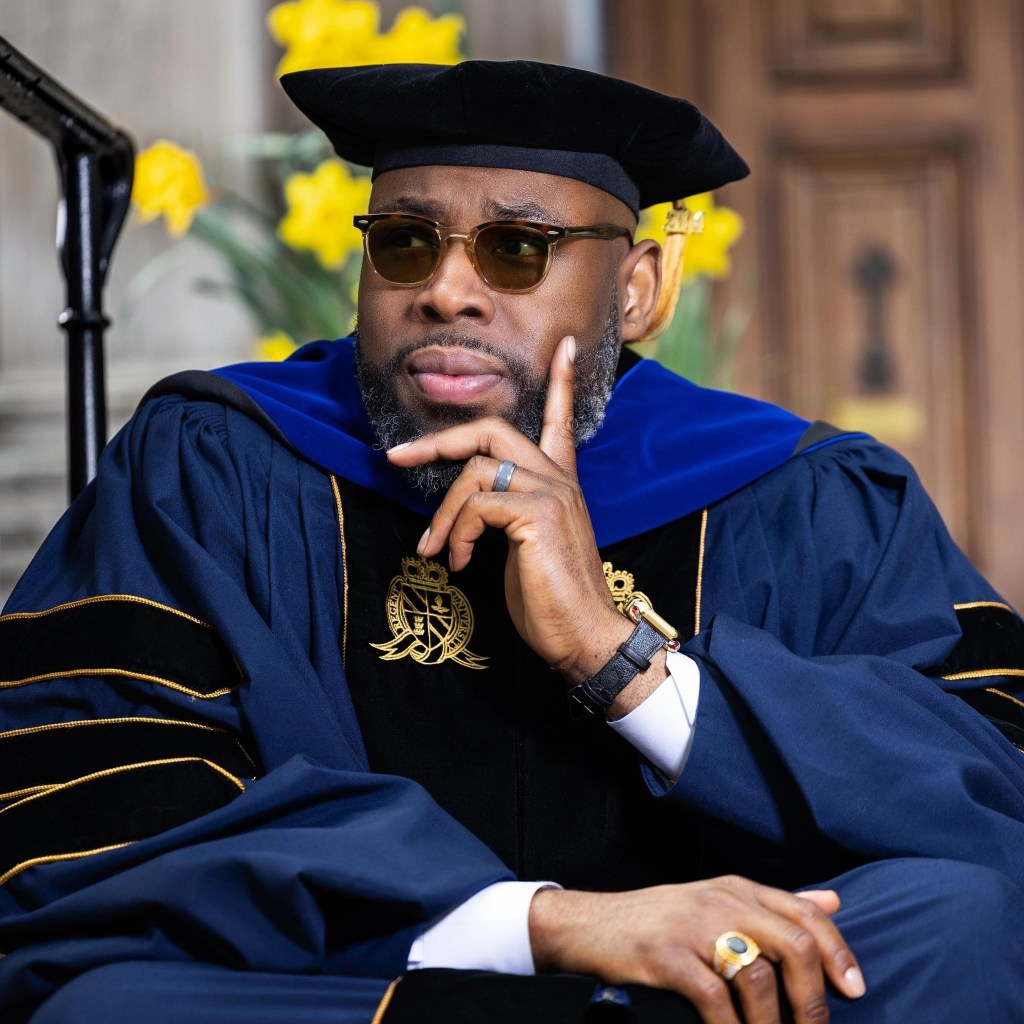
Kelcy G.L. Steele, PhD, MDiv, BA
Conference Director
To the Right Reverend Dennis V. Proctor, Presiding Prelate of the New England Conference of the African Methodist Episcopal Zion Church; To the Reverend Jacqueline King, Presiding Elder of the Boston District; the Reverend Dr. Moses L. Harvill., Presiding Elder of the Hartford District, and Mrs. D. Diane Proctor, Missionary Supervisor. To the Host Pastor, the Reverend Kelsey Hopson, all Pastors, ministers, Conference and District Officers, Delegates, and Members of the New England Annual Conference of the African Methodist Episcopal Zion Church.
In prayerful preparation for the 180th Session of the New England Annual Conference of the African Methodist Episcopal Zion Church, June 13-15, the Evangelism Committee offers the following report on the New Evangelistic Trends in the New England Annual Conference Churches Post-COVID:
ABSTRACT:
The COVID-19 pandemic significantly impacted religious practices globally, including within the New England Annual Conference. This report examines the emerging evangelistic trends within this community post-pandemic, analyzing how these trends reflect adaptations to a changed social landscape and evolving spiritual needs.
INTRODUCTION:
The New England Annual Conference has historically served as a pillar of strength, resilience, and spiritual guidance. Its role in evangelism, the spreading of the Christian gospel, has been central to its identity. The COVID-19 pandemic, however, forced a dramatic shift in traditional practices, compelling the church to adapt its approach to evangelism. This report investigates these new trends, exploring their effectiveness and potential long-term impact.
EMERGING TRENDS:
- DIGITAL EVANGELISM: The pandemic accelerated the adoption of digital platforms for outreach and engagement. Churches are leveraging social media, live streaming, and online communities to reach wider audiences, particularly younger generations. This includes:
a. INTERACTIVE BIBLE STUDIES AND PRAYER GROUPS: Fostering a sense of community and spiritual connection through virtual platforms.
b. TARGETED SOCIAL MEDIA CAMPAIGNS: Utilizing platforms like Facebook, Instagram, and TikTok to share faith-based messages and testimonies.
c. ONLINE DISCIPLESHIP PROGRAMS: Providing accessible and convenient avenues for spiritual growth and mentorship.
- FOCUS ON HOLISTIC WELL-BEING: The pandemic highlighted the interconnectedness of spiritual, mental, and physical health. Churches are increasingly incorporating holistic approaches to evangelism, addressing issues like:
a. MENTAL HEALTH AWARENESS: Offering support groups, counseling services, and resources to address the emotional toll of the pandemic.
b. SOCIAL JUSTICE ADVOCACY: Engaging in community outreach programs addressing systemic issues like poverty, racial injustice, and healthcare disparities.
c. FINANCIAL LITERACY INITIATIVES: Providing resources and workshops to empower individuals and families facing economic hardship. - RENEWED EMPHASIS ON COMMUNITY ENGAGEMENT: Recognizing the isolation caused by the pandemic, churches are prioritizing community building and fellowship. This includes:
a. SMALL GROUP MINISTRIES: Creating smaller, more intimate settings for connection and support.
b. OUTREACH PROGRAMS TARGETING SPECIFIC DEMOGRAPHICS: Tailoring initiatives to address the unique needs of youth, seniors, or single parents.
c. PARTNERSHIPS WITH LOCAL ORGANIZATIONS: Collaborating with community groups to expand their reach and impact. - CHALLENGES AND OPPORTUNITIES:
- BRIDGING THE DIGITAL DIVIDE: Ensuring equitable access to technology and digital literacy training for all members.
- MAINTAINING AUTHENTICITY AND PERSONAL CONNECTION: Balancing the convenience of online plaEorms with the need for genuine human interacGon.
- MEASURING THE EFFECTIVENESS OF DIGITAL EVANGELISM: Developing metrics to assess the impact and reach of online outreach efforts.
FURTHER RESEARCH: - Investigating the long-term impact of digital evangelism on church attendance and engagement.
- Exploring the effectiveness of different social media platforms and strategies for reaching diverse audiences.
- Examining the role of the African American church in addressing social justice issues post-pandemic.
 Musings of Dr. Kelcy G.L. Steele
Leave a comment